Bachata vs Merengue: the two genres of the Dominican Republic


When we think of the vibrant culture of the Dominican Republic, two music genres often come to mind: bachata vs merengue. Both are integral to the country’s identity and have garnered international recognition. In this article, we will explore what bachata and merengue are, how they are danced, and the differences between these two captivating styles. Whether you are drawn to the romantic melodies of bachata or the infectious energy of merengue, experiencing these dances firsthand is a must when visiting the Dominican Republic.
What is bachata?
Bachata is a music genre and dance that originated in the Dominican Republic in the early 20th century. Initially considered a rural style associated with the lower classes, it has since evolved into one of the country’s most beloved cultural expressions. Today, bachata enjoys worldwide popularity, blending traditional sounds with modern influences.
This genre is characterized by romantic lyrics and melodies played with guitar, bongo drums, and maracas. Its themes often revolve around love, heartbreak, and passion, making bachata an emotional and expressive dance style.
The evolution of bachata reflects the social and cultural shifts within the Dominican Republic. Over time, it has integrated influences from bolero, salsa, and even pop, giving it a more diverse and dynamic sound. Whether danced in local dance halls or international festivals, bachata continues to captivate dancers worldwide.
How to dance bachata?
If you’re wondering how to dance bachata, the good news is that it’s quite accessible for beginners. Here are the basic steps to get you started:
1. Find your partner: While bachata is typically danced with a partner, it can also be enjoyed solo.
2. Basic step: Step left with your left foot, bring your right foot to meet it, and then tap your left foot. Repeat to the right side.
3. Hips and timing: As you step, add subtle hip movements. Bachata follows a 4/4 time signature, so you’ll step on counts 1, 2, and 3, tapping on 4.
4. Turns and spins: Once comfortable with the basic steps, partners can add spins and turns to create more fluid movement.
Dancing bachata is about connection and expression. Whether in a local dance club in Punta Cana or a lively resort, you’ll find plenty of opportunities to experience bachata vs merengue firsthand.
What is merengue?
While bachata carries a romantic and expressive tone, merengue is a high-energy, celebratory genre that is widely recognized as the national dance of the Dominican Republic. The origins of Dominican merengue dance date back to the 19th century, with influences from African and European rhythms.
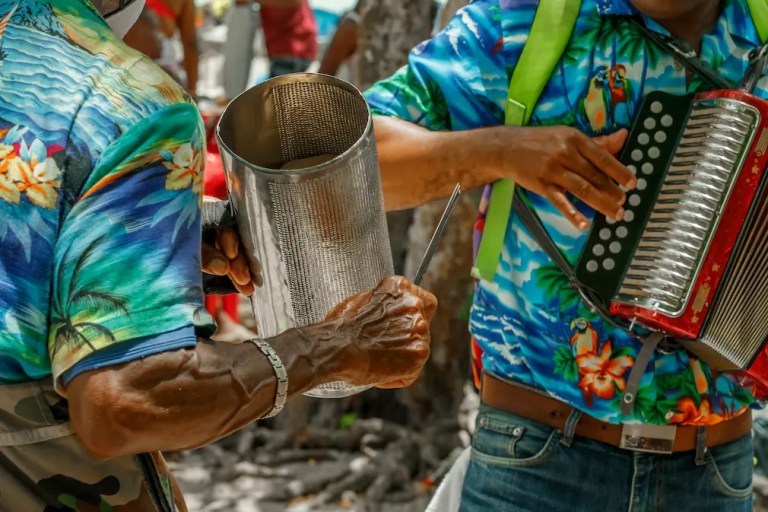
Merengue music features a lively tempo, often played with accordion, saxophone, and percussion instruments. This vibrant mix creates an atmosphere that encourages joy and communal celebration, making merengue a staple at festivals, parties, and cultural events.
Unlike bachata, which emphasizes intricate footwork, merengue is characterized by quick, simple steps and an energetic pace, making it easy to learn and incredibly fun to dance.
How to dance merengue?
Performing Dominican merengue dance is simple and perfect for beginners. Here’s how to start:
1. Partner up: While traditionally danced in pairs, merengue can also be danced solo.
2. Basic step: Shift your weight from one foot to the other, stepping left and right in a 2/4 time signature.
3. Hip movement: Adding a natural hip sway enhances the dance’s fluidity.
4. Spins and turns: As confidence grows, dancers incorporate spins and intricate patterns, making each performance unique.
Merengue is an inclusive dance, often seen at celebrations throughout the Dominican Republic.
Differences between bachata and merengue
While both bachata and merengue share common roots in the Dominican Republic, they have distinct differences that set them apart. Here are some key contrasts:
● Musical style: Bachata is typically characterized by its romantic and melodic sound, with a focus on guitar and soft percussion. Merengue, on the other hand, is more upbeat and lively, often incorporating a broader range of instruments.
● Dance style: Bachata features intricate footwork and hip movements, while merengue emphasizes a simple and rhythmic side-to-side step.
● Cultural associations: Bachata is often associated with romantic themes, while merengue is linked to festive celebrations and communal joy.
These differences highlight the diversity of musical expressions within the Dominican Republic, offering a rich tapestry of rhythms and movements for all to enjoy.
The best way to understand the soul of the Dominican Republic is by experiencing bachata and merengue firsthand. Whether you’re dancing under the stars at a beachfront bar or enjoying live music in a local Dominican club, these rhythms bring people together in an unforgettable way.
If you’re planning a trip to this vibrant destination, at our Bahia Principe hotels in Punta Cana you’ll find the perfect setting to immerse yourself in the bachata vs merengue experience. We offer dance workshops led by local instructors, live music events that bring Dominican rhythms to life, and cultural activities designed to deepen your connection with the island’s heritage. Staying with us means not just enjoying luxurious accommodations, but also living the authentic essence of Dominican music and dance.
From the passionate beats of bachata to the high-energy sway of merengue, these two genres define the spirit of the Dominican Republic. Whether you prefer the sensual steps of bachata or the lively energy of merengue, embracing both styles is a must when visiting this tropical paradise. So put on your dancing shoes and let the rhythms of bachata vs merengue guide your next adventure!