Breadnut from Riviera Maya



Autor:

Compartir
The breadnut, also known as the Maya nut, is a highly nutritious seed that has been an essential part of Mesoamerican diets for centuries. This tree, native to tropical regions of Central and South America, is a crucial component of the wildlife of Riviera Maya. Its rich nutritional profile and resilience make it a vital species in the region’s ecosystem. Throughout history, the breadnut has been used for food, medicine, and even as a natural resource for sustainable agriculture.
When asking what is a breadnut, it is important to understand that this tree (Brosimum alicastrum), also known as the ramon tree, produces a seed that has long been used as food by ancient Mayan civilizations. The Mayan nut is rich in protein, fiber, and essential vitamins, making it a valuable food source for both humans and wildlife. It has been a staple in Mayan culture for generations, often used in traditional cooking to make porridge, bread, and nutritious drinks.
Unlike other nuts, the breadnut plant thrives in harsh conditions, tolerating drought and poor soil, which makes it an ideal species for reforestation and conservation projects. Its ability to support biodiversity has made it a key element in sustainable agricultural initiatives across the region. Travelers staying in the best hotels in Riviera Maya of Bahia Principe can explore nature reserves where this unique tree grows abundantly. Many local eco-lodges and environmental organizations are working to restore degraded forests by planting more of these trees to promote long-term sustainability.
Additionally, the breadnut has medicinal properties, as it has been traditionally used by indigenous communities to treat digestive issues, respiratory conditions, and even to boost energy levels. Today, research continues to highlight its nutritional benefits and potential applications in modern medicine and food security.
The Mayan breadnut tree can be found across the dense tropical forests of Mexico and Central America, particularly in the Riviera Maya region. It flourishes in lowland rainforests, providing shade and sustenance for a wide range of species. In the wildlife of Riviera Maya, the breadnut tree plays a crucial role in maintaining ecological balance, as its leaves, fruits, and seeds are consumed by a variety of animals, including monkeys, deer, and birds.
Conservation areas and national parks are some of the best places to find the breadnut plant in its natural habitat. Many excursions in Riviera Maya include guided nature walks where visitors can learn about the significance of this tree and its importance in traditional Mayan culture. In some eco-parks and reserves, visitors can even participate in reforestation efforts by planting young breadnut trees and learning how they contribute to carbon sequestration and environmental restoration.
Another fascinating aspect of the breadnut tree is its role in agroforestry systems. Many sustainable farms in Mexico integrate the breadnut plant into their operations to create diversified ecosystems that benefit both agriculture and local wildlife. The tree’s ability to provide nutrients to the soil and offer a natural food source makes it an invaluable asset in regenerative farming.
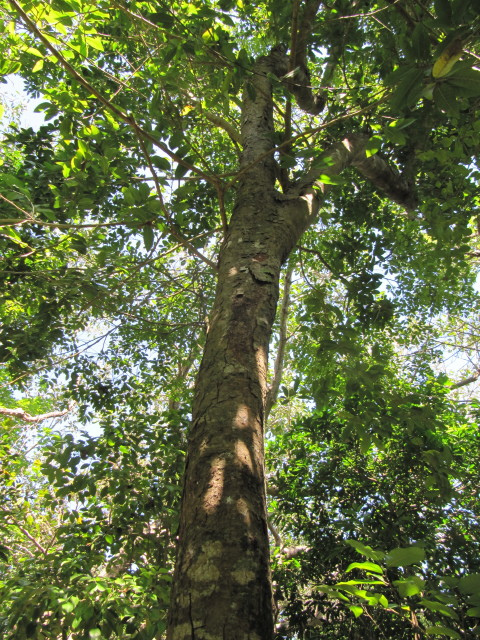
The ramon tree is an impressive evergreen species that can reach heights of up to 40 meters. It has a thick, sturdy trunk and a wide canopy that provides excellent shade. The leaves are oval-shaped with a dark green color, adding to its striking appearance in the lush jungles of the Riviera Maya. The tree is known for its longevity, often surviving for centuries and continuing to provide sustenance and ecological benefits throughout its lifetime.
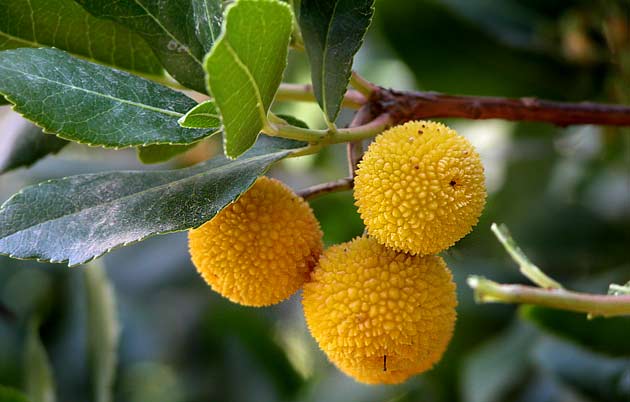
The breadnut seed is the most valuable part of the tree, known for its rich nutrient content and versatility. These seeds grow in clusters within small, round fruits that turn from green to yellow as they ripen. Once harvested, the Mayan nut can be roasted, ground into flour, or even brewed into a caffeine-free coffee alternative. It is often compared to chestnuts in flavor and texture, making it a unique and delicious ingredient in many traditional recipes.
For centuries, indigenous communities have relied on breadnut seeds as a reliable food source. Today, they continue to be used in traditional dishes, offering a sustainable alternative to other staple foods. Their adaptability and high nutritional value make them a critical component of food security in tropical regions. Some modern chefs and food innovators are experimenting with breadnut-based products, bringing new life to this ancient ingredient in gourmet cuisine.
The Mayan breadnut tree is often regarded as a “famine tree” because of its ability to provide sustenance even in times of drought. Its fruits and seeds remain available throughout the year, ensuring a continuous supply of food for both humans and animals. Additionally, the tree contributes to reforestation efforts, helping to restore degraded land and improve soil fertility.
Beyond its ecological benefits, the ramon tree holds cultural significance among Mayan communities. It has been referenced in ancient texts and traditions as a sacred species, revered for its life-sustaining properties. By preserving and promoting the cultivation of this tree, efforts are being made to maintain its historical and environmental legacy in the region. Today, some indigenous groups advocate for the reintroduction of breadnut into local diets, emphasizing its sustainability and health benefits.
For those interested in learning more about the Mayan breadnut and other native species, there are several eco-tours available that explore the forests where these trees thrive. Visitors staying at hotels in Riviera Maya of Bahia Principe have access to these immersive experiences, which provide a deeper appreciation for the interconnectedness of nature and culture in this region. The preservation of the breadnut tree is not only crucial for ecological balance but also for safeguarding the traditions and knowledge of the indigenous people who have relied on this remarkable tree for generations.

