Typical Mexican dance: discover its traditional dances


Mexico, a land brimming with vibrant culture and rich history, boasts a dazzling array of typical Mexican dances that reflect the soul of its diverse regions. From the energetic steps of the Jarabe Tapatío to the spiritual resonance of indigenous rituals, dancing in Mexico is more than just movement, it’s a powerful expression of identity, heritage, and communal joy. As you plan your next vacation, take a moment to explore the captivating world of Mexican dance. Let’s embark on this colorful journey together!
What characterizes a typical dance in Mexico?
When we talk about a typical Mexican dance, we’re not just referring to steps and music. Each dance is a narrative, a living story passed down through generations. The dances of Mexico are characterized by a fusion of indigenous, European, and African influences, resulting in unique expressions that vary significantly from region to region. The rhythmic footwork, the colorful costumes, and the passionate music all intertwine to create a spectacle that is both visually stunning and deeply meaningful. Whether it’s a celebration of life, a tribute to the gods, or a re-enactment of historical events, each dance tells a story that resonates with the heart of Mexican culture.
Costumes, music and cultural roots
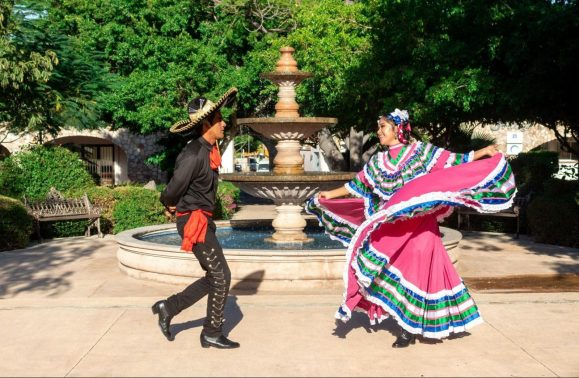
The costumes worn in traditional dances from Mexico are a feast for the eyes, each piece meticulously crafted to reflect the history and traditions of the region it represents. From the intricately embroidered dresses of Jalisco to the vibrant headdresses of Oaxaca, every detail tells a story. The music, too, is integral to the dance, with traditional instruments like the mariachi, marimba, and various drums providing the heartbeat that drives the dancers. These dances serve as a powerful link to the past, preserving ancestral knowledge and celebrating the enduring spirit of the Mexican people.
5 typical dances of Mexico that you can not miss
Mexico’s vast cultural landscape has given rise to a rich variety of dances, each with its own unique charm and significance. Here are five typical Mexican dances that we believe everyone should experience:
- Jarabe Tapatío (Jalisco): Known as the national dance of Mexico, this cheerful and flirtatious dance is a symbol of Mexican identity. The vibrant costumes and lively mariachi music make it a joy to watch.
- La Bamba (Veracruz): This iconic dance, made famous worldwide, showcases the skill and grace of the dancers as they tie a ribbon with their feet. It’s a celebration of love, unity, and the vibrant culture of Veracruz.
- Danza de los Viejitos (Michoacán): This humorous and endearing dance features elderly men with canes, who perform lively steps that belie their age. It’s a tribute to the wisdom and resilience of the elders.
- Flor de Piña (Oaxaca): This graceful dance is performed by women carrying pineapples on their shoulders, symbolizing the bounty of the harvest. The colorful costumes and elegant movements make it a visual delight.
Another celebration that highlights the richness of Mexican culture through music, dance, and costume is the Carnaval in Mexico. Held in various regions across the country, this festive season typically takes place before Lent and features colorful parades, traditional dances, elaborate masks, and regional music.
Folk dances of Mexico by region
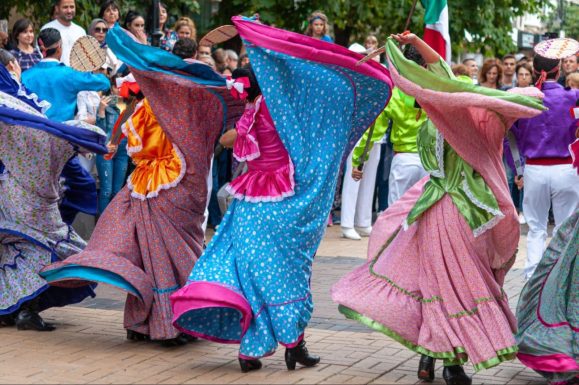
The country’s diverse geography and cultural heritage have resulted in a stunning variety of folk dances of Mexico, each reflecting the unique identity of its region. To truly appreciate the richness of these dances, it’s essential to explore the regional variations:
- Northern Mexico: Influenced by European traditions, the dances of northern Mexico often feature polka rhythms and lively steps.
- Central Mexico: This region is home to some of Mexico’s most iconic dances, including the Jarabe Tapatío and the Danza de los Voladores.
- Southern Mexico: With its strong indigenous roots, southern Mexico boasts a wealth of ritualistic and ceremonial dances.
- Gulf Coast: The dances of the Gulf Coast, particularly in Veracruz, are known for their African and Caribbean influences.
- Pacific Coast: The dances of the Pacific Coast are characterized by their lively rhythms and colorful costumes.
Regional dances of Mexico in festivals and celebrations
Dancing in Mexico isn’t just something you see on a stage, it’s an integral part of everyday life, especially during festivals and celebrations. Throughout the year, the country comes alive with vibrant festivities, each offering a glimpse into its rich cultural heritage. During these events, the typical Mexican dances take center stage, transforming streets and plazas into dazzling displays of color, music, and movement. Experiencing these dances firsthand is an unforgettable way to connect with the heart and soul of Mexico.
If you’re visiting the Caribbean coast, our hotels in Riviera Maya are the perfect base to enjoy Mexico’s cultural traditions. From local festivals to folkloric dance performances, you’ll have the chance to experience the vibrant energy of traditional celebrations in an authentic and memorable way.
The world of typical Mexican dance is a captivating tapestry woven with threads of history, culture, and tradition. From the energetic steps of the Jarabe Tapatío to the spiritual resonance of indigenous rituals, each dance tells a story that reflects the soul of Mexico. As you plan your next adventure, consider immersing yourself in the vibrant world of Mexican dance. Whether you’re watching a performance, taking a dance lesson, or simply tapping your feet to the rhythm of the music, you’re sure to be swept away by the passion and beauty of these traditional dances.