The acropora palmata of Riviera Maya


Have you ever dreamed of swimming through the crystal-clear waters of the Riviera Maya and finding yourself surrounded by vibrant marine life? Among the many underwater treasures of this Caribbean paradise, one stands out for its beauty and ecological importance: the acropora palmata, also known as elkhorn coral. Its unique shape, essential role in marine ecosystems, and vulnerable status make it one of the most iconic coral species in the region.
In this article, we’ll dive into everything you need to know about the acropora palmata: what it is, where to find it, and what makes it such a vital part of the underwater world in the Riviera Maya.
What is the acropora palmata?
The acropora palmata is a type of hard coral native to the Caribbean Sea and the Gulf of Mexico. It’s easily recognizable thanks to its broad, branching shape, which resembles the antlers of an elk—hence its common name, elkhorn coral. These coral formations can grow up to two meters high and spread several meters wide, creating reef structures that provide essential shelter and breeding grounds for countless marine species.
This coral isn’t just a pretty sight. It plays a critical role in maintaining the health of coral reef ecosystems. By growing quickly and forming large, dense colonies, acropora palmata helps build the physical structure of coral reefs. These reefs act as natural barriers, protecting shorelines from waves and storms while supporting an extraordinary diversity of marine life.
Unfortunately, acropora palmata is currently classified as a critically endangered species. It faces numerous threats, including ocean warming, pollution, coastal development, disease, and physical damage caused by tourism and boating. Coral bleaching—a result of rising sea temperatures—has also significantly affected its population. Conservation efforts are underway across the Caribbean to restore and protect this essential coral species, but it requires continued awareness and responsible tourism to make a lasting difference.

Where to find the acropora palmata?
The Riviera Maya, stretching along the Caribbean coast of Mexico’s Yucatán Peninsula, is one of the best places to observe acropora palmata in its natural habitat. Its warm, shallow waters are ideal for coral growth, making this region a hotspot for marine biodiversity.
Akumal is a particularly popular destination for snorkeling and diving, known for its calm waters and abundant sea life. Here, it’s possible to see sea turtles grazing on seagrass and schools of colorful fish darting through coral formations, including healthy stands of elkhorn coral. The shallow reefs near the shore are accessible even to beginner snorkelers.
Further south, Xcalak Reef National Park is a more remote and protected location. Known for its untouched ecosystems and strict conservation efforts, it’s a paradise for those looking to see marine life in its most natural state. Here, Acropora palmata thrives in a balanced environment that showcases the full beauty of the wildlife of Riviera Maya.
And then there is Cozumel, an island famous worldwide for its spectacular dive sites. The coral reefs around Cozumel, including parts of the Mesoamerican Barrier Reef, host a wide range of coral species, with elkhorn coral among them. Diving here gives you the chance to witness the grandeur of these underwater forests up close.
The hotels in Riviera Maya of Bahia Principe offer eco-conscious experiences and guided tours to these reef sites, ensuring that visitors can enjoy the beauty of acropora palmata while also contributing to its protection. Choosing operators that follow responsible tourism practices helps preserve these fragile ecosystems for future generations.
What is the Acropora palmata like
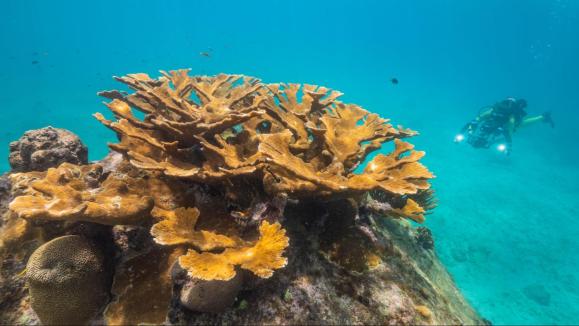
Elkhorn coral is not just one of the largest and fastest-growing coral species in the Caribbean, but also one of the most visually striking. Its thick, flattened branches form intricate structures that resemble tree canopies, extending outward in all directions. These branches can break off and form new colonies, allowing the coral to spread and rebuild reef structures over time.
The color of acropora palmata varies depending on light exposure and water conditions. It usually ranges from golden brown to pale yellow or tan. At night, its tiny polyps—the living organisms that make up the coral—extend their tentacles to feed, giving the colony a soft, fuzzy appearance.
These corals prefer shallow, high-energy reef environments, where waves constantly circulate water and nutrients. They typically grow at depths of less than six meters, which is why they are so accessible to snorkelers and divers.
Beyond their impressive size and shape, elkhorn corals support an entire community of marine organisms. Small fish, crustaceans, and mollusks use the coral branches as shelter. Predators lurk nearby, creating a balanced ecosystem that relies heavily on the structural complexity provided by the coral.
Unfortunately, this complexity also makes acropora palmata vulnerable. It can be easily broken by careless swimmers or divers, dropped anchors, and storms. Coral disease and bleaching events have further weakened many colonies across the region.
Because of this, it is crucial to observe acropora palmata responsibly. Never touch or step on the coral, and always choose reef-safe sunscreens and certified guides when exploring marine environments.
The acropora palmata is more than just a beautiful feature of the Caribbean seafloor. It is a vital piece of the puzzle that sustains marine life, protects coastlines, and enhances the natural beauty of the Riviera Maya. Learning about this coral and witnessing its grandeur firsthand is a powerful reminder of why preserving our oceans is so important.
Whether you’re snorkeling in Akumal, diving in Cozumel, or joining an educational eco-tour in Xcalak, take the time to appreciate the role that acropora palmata plays in the underwater world. And most of all, remember that every conscious decision you make as a traveler helps protect this and other wonders of the reef.