Differences between high and low season: when to travel?



Choosing the right time of year to travel can make a big difference in any vacation experience. Whether it’s about budget, weather, or availability, understanding the characteristics of the high and low seasons allows you to make more informed decisions. Below, we explore what each one entails, their differences, and how they vary across some of the most popular destinations in the Caribbean and Spain.
What is high season?
High season refers to the time of year when a tourist destination receives the highest number of visitors. This often coincides with major holidays like summer, Christmas, or Easter, or with special events that attract large crowds. During this period, the prices of flights, hotels, and tourist activities tend to be higher due to increased demand.
It’s important to note that high season can vary by destination. For example, in the Caribbean, high season aligns with the winter months in the Northern Hemisphere, when people are looking to escape the cold. In contrast, in Europe, high season typically occurs in the summer, when the weather is warmer and days are longer.
What is the low season?
Low season, on the other hand, refers to the time of year with the lowest tourist traffic. This usually happens during months with fewer vacationers or during the low season in the Dominican Republic. During this time, travel prices are generally lower, as airlines and hotels aim to attract more guests.
Traveling during low season has many advantages, such as finding cheaper flights and accommodations, enjoying less crowded attractions, and having a more authentic experience. However, it’s also worth noting that some tourist services may be limited or temporarily closed during this time.
Differences between high and low season
The main difference between high and low season lies in the number of tourists and pricing. High season offers a lively atmosphere but also comes with larger crowds and higher costs. Low season, in contrast, offers fewer people, more affordable prices, and a calmer experience—though some services might be limited.
Choosing one or the other depends on what you’re looking for: vibrant energy and variety during high season, or peace and savings during low season.
When is it best to travel according to the season?
The best time to travel depends on your personal preferences, budget, and flexibility. If you enjoy a bustling environment and don’t mind spending a bit more, high season could be a great choice. If you prefer peace, lower prices, and have flexible travel dates, low season might be perfect for you. Here’s a closer look at high and low seasons in some popular Caribbean and Spanish destinations:
Dominican Republic high and low season
- High season: December to April, with warm temperatures, sunny days, and a wide range of events and activities. It’s the perfect time to enjoy the beaches, especially near our hotels in the Dominican Republic.
- Low season: May to November, with warm weather and possible rainfall, especially from August to October. During these months, it’s easier to find discounted rates and enjoy quieter beaches and excursions.
Riviera Maya high and low season
- High season: December to April and the summer months (July and August). The weather is dry and sunny—ideal for exploring beaches, cenotes, and archaeological sites. This is also when hotels in Riviera Maya see the highest number of visitors.
- Low season: May to November, with higher humidity and a greater chance of rain, though it doesn’t stop you from enjoying the natural and cultural surroundings. Fewer crowds mean a more relaxed experience and better prices.
Jamaica high and low Season
- High season: December to April, with dry, sunny weather—ideal for beach days, live music, and local cuisine. Hotels in Jamaica, demand peaks during this time.
- Low season: May to November, with more humidity and rain, especially in September and October. Still, it’s a great time to explore the island’s interior, with lower prices and a more authentic atmosphere.
Tenerife high and low season
- High season: Tenerife enjoys pleasant weather year-round, but tourist peaks occur in summer (June to September), Christmas, and Easter. Demand for hotels in Tenerife rises significantly during these periods, especially along the coast.
- Low season: April, May, October, and November tend to have lower occupancy, better rates, and great weather. It’s a wonderful time to hike, visit charming towns, or unwind without the crowds.
Mallorca high and low season
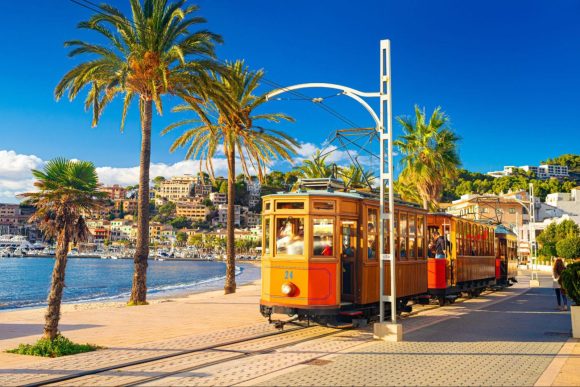
- High season: May to September, with warm weather and sunny days perfect for enjoying the sea, coves, and nightlife. During these months, hotels in Mallorca are in high demand and prices are at their peak.
- Low season: October to April, with milder temperatures and occasional rain. It’s a great time to discover the island from a quieter perspective, explore its villages, or go hiking in the Tramuntana Mountains.
Both high and low seasons offer different advantages, and the choice depends on what you prioritize when planning a trip: budget, weather, types of activities, or overall atmosphere. With this guide, it’ll be easier to choose the perfect time to enjoy each destination at your own pace.